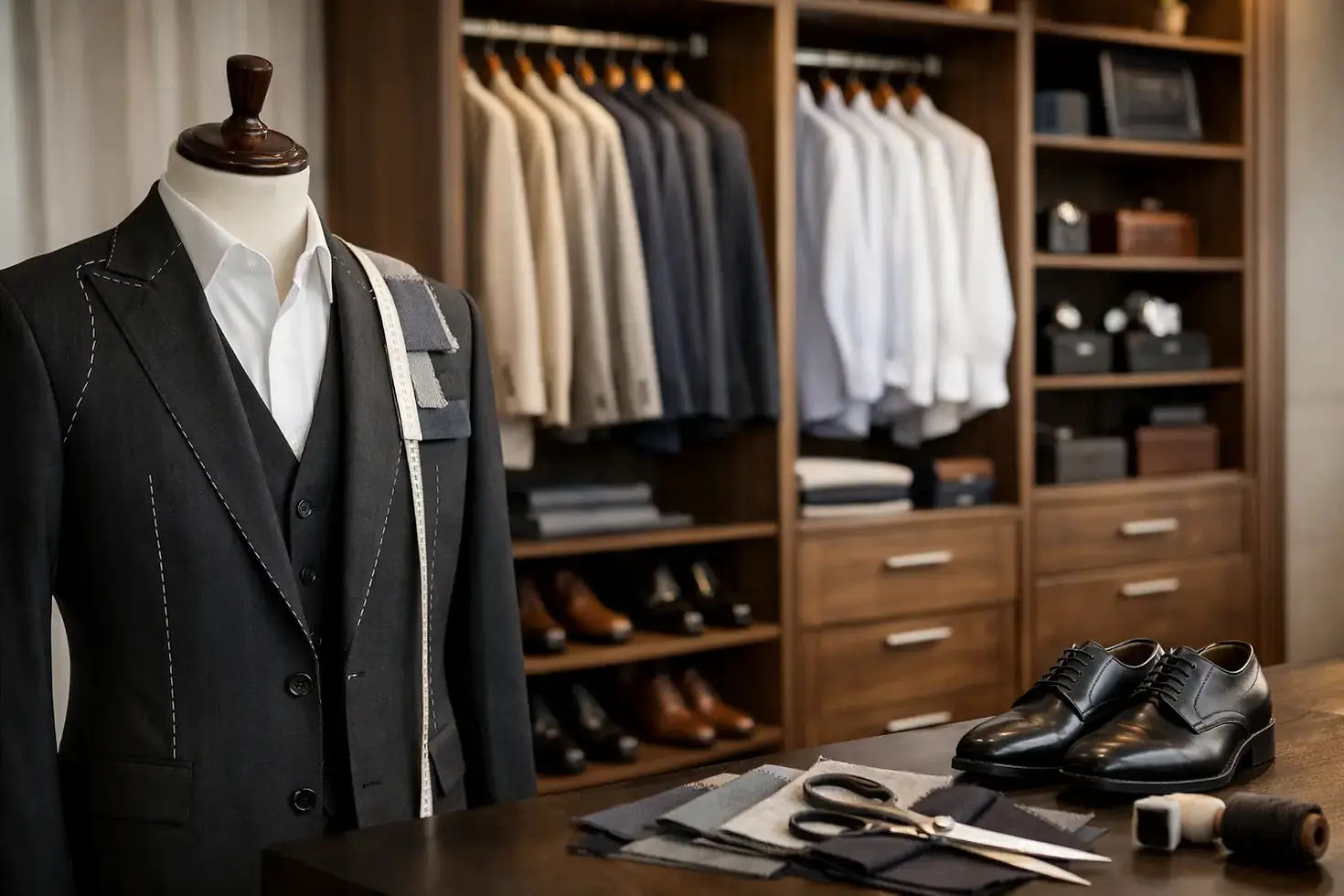
Bespoke Wardrobe Design That Fits Properly
A wardrobe that almost fits can be more frustrating than one that clearly does not. You end up with wasted corners, doors that clash with the room, shelves set at the wrong height, and that awkward gap at the top gathering dust. Bespoke wardrobe design fixes those problems by starting with your room, your storage needs and the way you actually live.
For most homeowners, the appeal is not just that fitted wardrobes look smarter. It is that they work harder. A well-designed wardrobe can turn an alcove, sloping ceiling or full bedroom wall into organised storage that feels built in from the start, rather than squeezed in afterwards.
What bespoke wardrobe design really means
At its simplest, bespoke wardrobe design means your wardrobe is made to suit the exact dimensions and layout of your room. But good design goes further than made-to-measure sizes. It also considers access, storage habits, visual balance and the finish of the wider space.
That matters because no two bedrooms are quite the same. One home might need extra hanging space for workwear and long coats. Another might need more drawers, open shelving or a dressing table built into the run. A child’s room has different demands again, especially if you want storage that still works as they grow.
This is where bespoke options stand apart from freestanding furniture and flat-pack ranges. Instead of adapting your room to fit standard units, the design is adapted to the room. You make use of alcoves, awkward angles and full ceiling height, while keeping the overall finish clean and considered.
Why bespoke wardrobe design works better in real homes
The biggest benefit is space. In many bedrooms, there is more usable storage potential than people realise, but standard furniture leaves too much of it behind. Gaps above, beside and behind wardrobes are common, and they all add up.
With fitted wardrobes, those dead areas can become practical storage. Full-height designs help you store less-used items neatly overhead. Narrow sections can be turned into shelving. Corners can be planned properly rather than ignored. In smaller rooms, sliding doors can make a real difference because they do not need swing space in front.
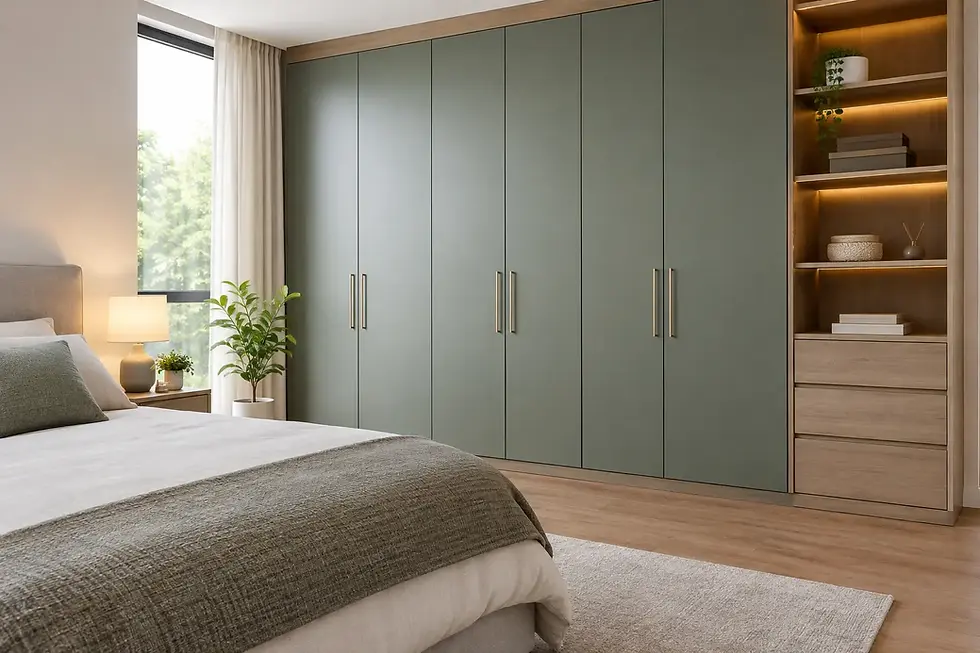
The second benefit is visual calm. When wardrobes are designed around the room, they tend to feel part of the architecture rather than separate bulky pieces. That can make a bedroom feel larger, tidier and more settled. If you are aiming for a clean, built-in finish, bespoke design gives you much more control over that result.
There is also the day-to-day practical side. Better wardrobe design can reduce clutter, make getting ready easier and help the whole room function better. That might sound like a small thing, but in a busy household it makes a noticeable difference.
The choices that shape a good wardrobe
A successful wardrobe is rarely about one big decision. It is usually the smaller choices, made well, that create something that feels right.
Internal layout matters as much as the doors
People often focus first on the exterior - sliding or hinged, mirrored or plain, shaker or minimal. That is understandable, because the look matters. But the inside is what determines whether the wardrobe earns its place.
If you have lots of long garments, double hanging rails may not be the best use of space. If folded clothing tends to pile up, wider shelves may be less useful than drawers. If you share the wardrobe, each side may need a different layout. The best solution depends on what you own and how you prefer to store it.
There is no single perfect arrangement. Some people want every inch enclosed and hidden away. Others prefer a mix of closed storage and open display shelving. What works best is usually a balance between tidy appearance and everyday convenience.
Door style changes how the room feels
Sliding doors are a popular choice where floor space is tight. They suit modern bedrooms and can create a sleek, uninterrupted front. Mirrored sliding doors can also help bounce light around the room, which is useful in smaller or darker spaces.
Hinged doors offer a different set of advantages. They give full access to each section at once and can suit more traditional interiors. They also allow for details like panelled fronts and fitted handles, which some homeowners prefer for a softer look.
Neither option is automatically better. It depends on the size of the room, the style of the home and how you use the space around the wardrobe.
Finishes should complement the room, not fight it
The colour and finish of a fitted wardrobe can make a room feel calm and cohesive, or visually crowded if chosen badly. In smaller bedrooms, lighter finishes often keep things feeling open. In larger rooms, darker tones can work well when balanced with enough natural light.
Texture also plays a part. A smooth contemporary finish gives a very different feel from a woodgrain effect or a classic framed door. If your bedroom already has strong features, a simpler wardrobe design may work best. If the room is quite plain, the wardrobe can carry more character.
Planning for awkward spaces
This is where bespoke wardrobe design often proves its value. Many homes have features that standard furniture does not deal with well - chimney breasts, alcoves, loft slopes, boxed-in pipework or uneven walls.
A made-to-measure wardrobe can be shaped around those details so they become part of the solution rather than a compromise. An alcove can become a full-height storage zone. A sloping ceiling can still accommodate hanging space, shelving or drawers if planned carefully. Even a narrow recess can become useful if it is designed for a specific purpose.
The trade-off is that awkward spaces demand more thought at the design stage. You cannot simply copy and paste a layout from another room. Measurements need to be precise, and the internal arrangement needs to suit the shape available. That is exactly why the design process matters.
Why the process matters as much as the product
A fitted wardrobe is not just a piece of furniture. It is a small home improvement project. The end result depends on how well the design, manufacturing and installation stages work together.
When those stages are handled as one joined-up service, there is usually more clarity from the start. The person designing the wardrobe understands what can actually be made and fitted. The final installation is based on the agreed design rather than assumptions made by separate trades. That tends to reduce delays, confusion and costly changes.
For homeowners, it also makes the experience easier. You are not trying to coordinate a designer, a supplier and an installer who all have different interpretations of the job. You have one plan, one route through the project and one team responsible for getting it right.
That is a big part of why local, specialist companies are often the better fit for bespoke work. They understand the practical side as well as the finish, and they are accountable for the result in a way that off-the-shelf retailers often are not.
What to think about before you start
Before any design is finalised, it helps to be honest about how you use your bedroom. What is causing the problem now? Is it a lack of hanging space, poor organisation, wasted corners, or furniture that makes the room feel cramped?
Think about what you need to store today, but also what may change. A wardrobe designed for one person may need to work for two later on. A guest room might become a child’s room or home office. Flexibility can be built in, but only if it is considered early.
It is also worth deciding what matters most to you. Some customers prioritise maximum storage. Others care just as much about the look and feel of the room. Most want both, but knowing where you are willing to compromise helps shape better decisions.
If you are in Essex and comparing options, pay attention to how each company handles the full process, not just the brochure images. Good bespoke work should feel personal, well measured and properly thought through from first conversation to final fit.
A wardrobe should make the room easier to live in
The best bespoke wardrobes do not just fill a wall. They solve problems quietly. They make mornings easier, keep clutter under control and help a bedroom feel finished rather than patched together.
That is what good bespoke wardrobe design comes down to - using space properly, choosing details that suit your home, and creating storage that feels made for the room because it genuinely is. If the design starts with how you live, the result tends to look better and work harder for years to come.
A well-fitted wardrobe should not ask you to work around it. It should fit so naturally into your home that, after a while, you wonder how the room ever worked without it.


Comments