
A Guide to Bespoke Bedroom Storage
A chest of drawers that blocks the window, a wardrobe that never quite reaches the ceiling, wasted space in the eaves - most bedrooms do not fall short because they are too small. They fall short because the furniture was never made for the room. That is exactly where a guide to bespoke bedroom storage becomes useful. When storage is designed around your space, your routine and the way you live, the room starts working properly.
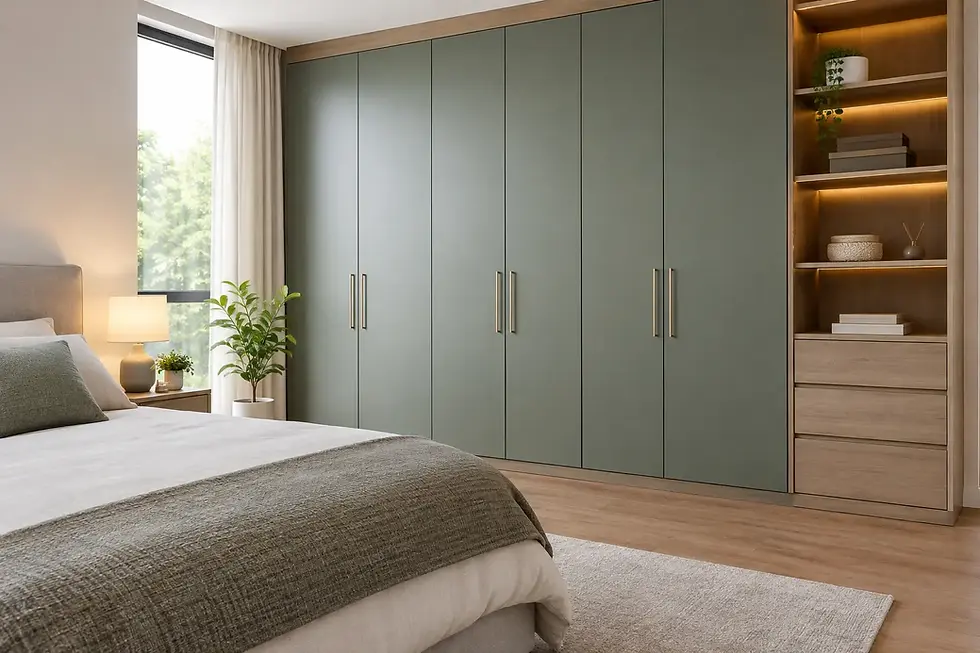
Bespoke bedroom storage is not just about adding more cupboards. It is about making awkward corners useful, keeping daily clutter out of sight and creating a finish that feels built in rather than dropped in. For many homeowners, that means replacing a mix of freestanding pieces with a fitted solution that uses the full height, width and shape of the room.
What bespoke bedroom storage really means
At its simplest, bespoke bedroom storage is storage made to fit your room exactly. That includes obvious elements such as fitted wardrobes, but it can also mean over-bed units, drawer banks, dressing tables, shelving, bridge units and storage built into alcoves or sloping ceilings.
The real difference is in the detail. Off-the-shelf furniture is built to standard sizes. Bedrooms are not. Chimney breasts, boxed-in pipework, loft angles and uneven walls all create dead space that freestanding furniture cannot solve neatly. A bespoke design works around those features rather than fighting them.
It also gives you more control over how the inside works. One person may need long hanging for dresses and coats. Another may want more drawers, shoe shelves or double hanging for shirts and trousers. Good storage should reflect what you actually own, not a generic layout chosen by a retailer.
Why fitted storage often works better than freestanding furniture
Freestanding furniture has its place. It can be quicker to buy, easier to move and sometimes cheaper at the start. But it usually leaves gaps at the top, sides and back, which collect dust and waste valuable space.
In smaller bedrooms, those gaps matter. A fitted wardrobe that runs to the ceiling can create significantly more usable storage without taking up more floor area. In rooms with awkward layouts, it can also make the whole space feel calmer because everything sits flush and intentional.
There is also the visual side. Bespoke storage tends to look more cohesive because the finishes, proportions and layout are chosen for the room. That does not automatically mean expensive or elaborate. Often the best results are simple, clean designs that remove visual noise.
A practical guide to bespoke bedroom storage planning
The most successful projects start before any doors, finishes or handles are chosen. They start with the room and with honest answers about what is not working now.
Begin by looking at how you use the bedroom day to day. Is the main issue clothing overflow, poor access, not enough drawers, or too many mismatched pieces making the room feel crowded? If the problem is vague, the design usually ends up vague too.
Then consider the shape of the room. Alcoves, sloping ceilings, recesses and wide blank walls can all become useful storage zones. A made-to-measure solution should improve flow, not just fill every available inch. In some rooms, that means a full wall of wardrobes. In others, it means being more selective so the room still feels open.
Finally, think about the future. If this is your long-term home, your storage should suit you in five or ten years, not only now. Children grow, working patterns change and clothing habits shift. A flexible internal layout can help the furniture last well beyond the initial install.
Measure the room, but also measure your habits
Room dimensions are only one part of the job. You also need a rough inventory of what needs to go inside. Count how much hanging space you genuinely use. Notice how many drawers are currently overfilled. If handbags, shoes or bedding are always left out, that tells you something too.
This step often changes the design more than people expect. A couple may assume they need matching halves inside a wardrobe, but one person may need far more hanging while the other needs shelving and drawers. Bespoke storage works best when it reflects real use rather than symmetry for its own sake.
Decide what should be hidden and what should stay visible
Not everything needs to sit behind a door. Most people want clothes, laundry and the everyday mess tucked away. But open shelving can work well for books, decorative pieces or items you reach for regularly.
The balance depends on the room and on your tolerance for visible storage. If you prefer a clean, restful bedroom, more concealed storage usually makes sense. If you like a lighter look, a mix of closed units and a few open sections can stop the design feeling too solid.
Choosing the right fitted layout
There is no single best layout. It depends on ceiling height, wall lengths, natural light and how much floor space you want to preserve.
Full-height wardrobes are often the strongest option for standard rooms because they make use of vertical space that would otherwise be wasted. Sliding doors can be useful where clearance is tight, while hinged doors may suit wider rooms where full access to the interior matters more.
Alcove wardrobes are ideal when chimney breasts create natural recesses. Instead of treating those spots as awkward leftovers, bespoke cabinetry can turn them into some of the hardest-working storage in the room. In loft conversions, fitted units under the eaves can recover space that freestanding furniture cannot touch.
Over-bed storage can also be effective, though it needs careful handling. Done well, it frames the bed and adds practical space without making the room feel boxed in. Done badly, it can feel heavy. This is where proportion, door style and colour choice really matter.
Internal features that make a real difference
The inside of the wardrobe matters as much as the outside. A smart-looking run of doors will not solve much if the interior is poorly planned.
Drawers are useful for smaller items, knitwear and clothing you do not want on display. Adjustable shelving gives flexibility as needs change. Long hanging is essential for dresses, coats and occasion wear, while double hanging makes better use of height for everyday clothing. Shoe storage is often overlooked, yet it can remove a surprising amount of mess from the floor.
There are trade-offs here. Too many shelves can become a place for untidy piles. Too much hanging can leave you short on drawer space. The best approach is usually a balanced interior with a clear purpose for each section.
Style choices that help the room feel bigger
Storage should earn its keep visually as well as practically. In a bedroom, that usually means choosing finishes that support a calm, uncluttered feel.
Lighter colours can help smaller rooms feel more open, while darker finishes can add depth in larger spaces. Mirrored doors are useful where you want to bounce light around the room and avoid needing a separate full-length mirror. That said, not everyone wants a wall of reflection, especially in a room meant for rest.
Handle choice, door profile and panel design all influence the final look. Clean, simple fronts tend to date less quickly and suit most properties. More classic detailing can work beautifully in period homes, but it should still feel in keeping with the room rather than overly ornate.
Why design-manufacture-install matters
One of the biggest frustrations with bedroom furniture projects is dealing with too many separate parties. A designer may promise one thing, a supplier delivers another, and the installer is left trying to make it fit on site.
A design-manufacture-install approach is more straightforward. The people planning the storage understand how it will be built and fitted, which reduces guesswork and helps the finished result feel more precise. It also gives homeowners one clear point of contact throughout the job.
That joined-up process is especially valuable in older homes or awkward rooms where standard assumptions rarely hold up. When the storage is being made specifically for your space, accuracy and communication matter just as much as appearance.
Common mistakes to avoid
The most common mistake is focusing only on the outside. Doors and finishes are easy to picture, but poor internal planning leads to daily irritation. Another is trying to squeeze storage into every wall without thinking about how the room will feel once it is installed.
Budget can also shape decisions in the wrong way if it is treated too simply. The cheapest route at the start is not always the best value if the furniture wastes space, looks out of place or needs replacing far sooner. Bespoke is an investment, so it should solve the problem properly.
For homeowners in Essex looking at fitted wardrobes, it often helps to work with a specialist who can assess the room as it really is rather than forcing a standard system into it. That practical eye makes a difference.
Good bedroom storage should make mornings easier, evenings calmer and the room itself more enjoyable to spend time in. If a design can do that while fitting your space cleanly and looking as though it always belonged there, you are on the right track.


Comments